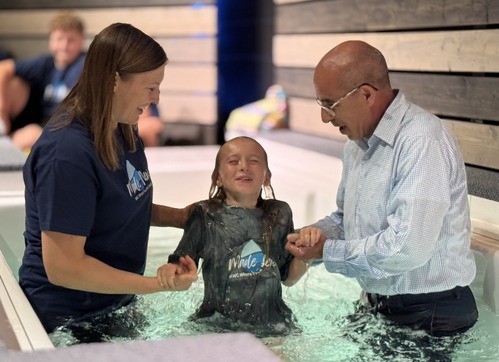
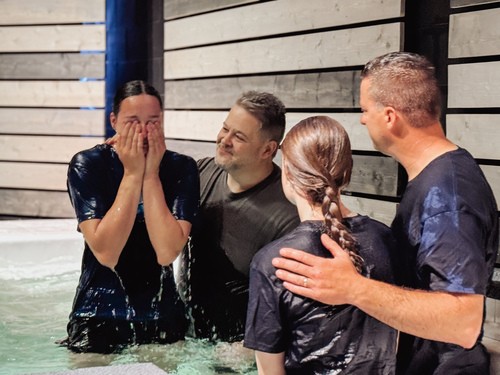
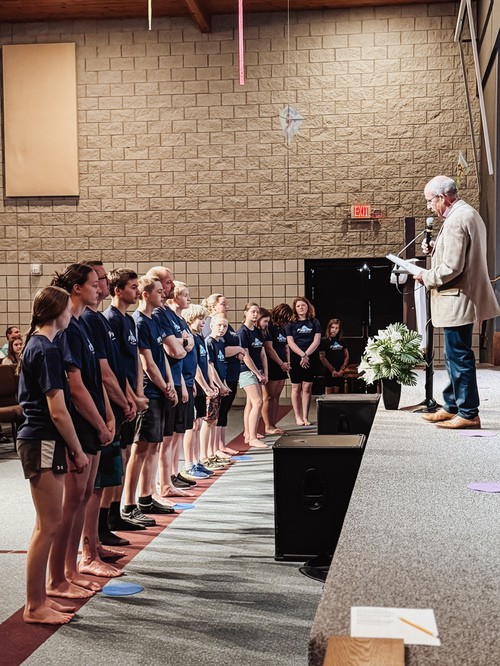
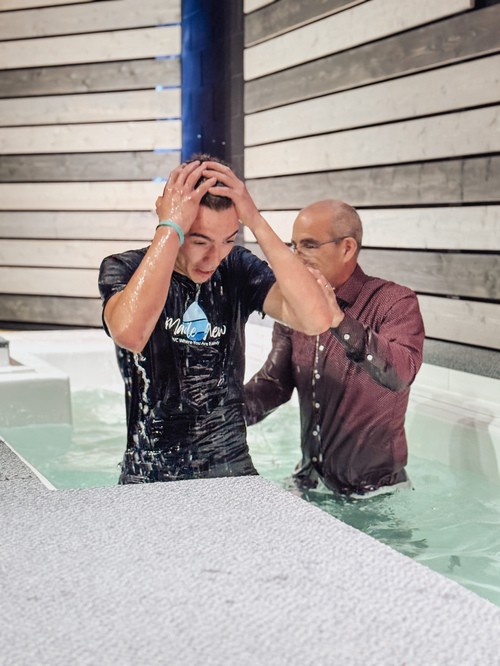
In The Wesleyan Church, baptism is a sacrament, a public declaration of faith and obedience, symbolizing a believer's new life in Christ (death to sin, resurrection to new life), entry into God's covenant community, and commitment to following Jesus, serving as an outward sign of an inward spiritual transformation. It's seen as a means of grace, a spiritual cleansing, and participation in Christ's death and resurrection, with practices including believer's baptism (often by submersion) and infant dedication, with a focus on conscious choice and commitment.
Key Aspects of Wesleyan Baptism:
Public Declaration: An outward, visible sign of an inward spiritual reality, proclaiming Jesus as Lord and Savior.
Symbol of New Life: Represents sharing in Christ's death, burial, and resurrection, symbolizing cleansing and forgiveness.
Act of Obedience: Following Jesus' example and command to be baptized.
Means of Grace: A way to enter and remain in God's story, participating in His saving work.
Sacrament: Recognized as instituted by Christ, a sign, seal, and pledge of God's covenant.
Community Commitment: A sign of joining God's family and committing to His people.
Types of Baptism in Wesleyan Practice:
Believer's Baptism: For those old enough to understand and express their faith in Jesus; often done by submersion.
Infant Dedication/Baptism: Parents dedicate children to God, testifying to their own faith and God's grace at work in the child's life.
Affirmation of Vows: Infants baptized earlier can later publicly affirm their faith as they mature.
What it's NOT:
Not Required for Salvation: Baptism is a result of salvation, not the cause, but an important next step.
Not a One-Time Erasure: Struggles or feelings of distance from God don't negate a believer's baptism.